



The small business income tax offset is a tax discount of up to $1,000 a year for eligible sole traders and individuals with a share of small business income. It is 16% of the tax on your net small business income, capped at $1,000 per person. You qualify if your aggregated turnover is under $5 million and you earn the income as a sole trader, partner or trust beneficiary. You do not apply separately, because the ATO calculates it from your tax return.
Tax time can feel like a one-way street, with money flowing out and not much coming back. If you have ever typed what is small business income tax offset into a search bar, the short answer is that it is a discount on your tax bill, worth up to $1,000 a year, for eligible people who run unincorporated small businesses. The harder parts are working out who qualifies, how the figure is calculated and why some owners never notice it on their assessment. This guide covers all three in plain English, with worked examples and the traps to avoid.
Key Takeaways
- The offset reduces your tax by up to $1,000 a year, and it applies per person, not per business.
- The rate is 16% of the tax on your net small business income.
- You must be a sole trader, or a partner or trust beneficiary, with aggregated turnover under $5 million.
- Companies are not eligible. The offset is for individuals earning unincorporated business income.
- You do not apply for it. The ATO works it out from your tax return.
- It is non-refundable. It can reduce your tax to zero but will not create a cash refund.
What Is the Small Business Income Tax Offset?
The small business income tax offset is a tax benefit for people who earn income from an unincorporated small business. It reduces the income tax you pay on that income, and it comes off your tax bill rather than your taxable income. Because it targets sole traders, partners and trust beneficiaries, it is also known as the unincorporated small business tax discount. You will often see it abbreviated to SBITO on ATO forms and in accounting software.
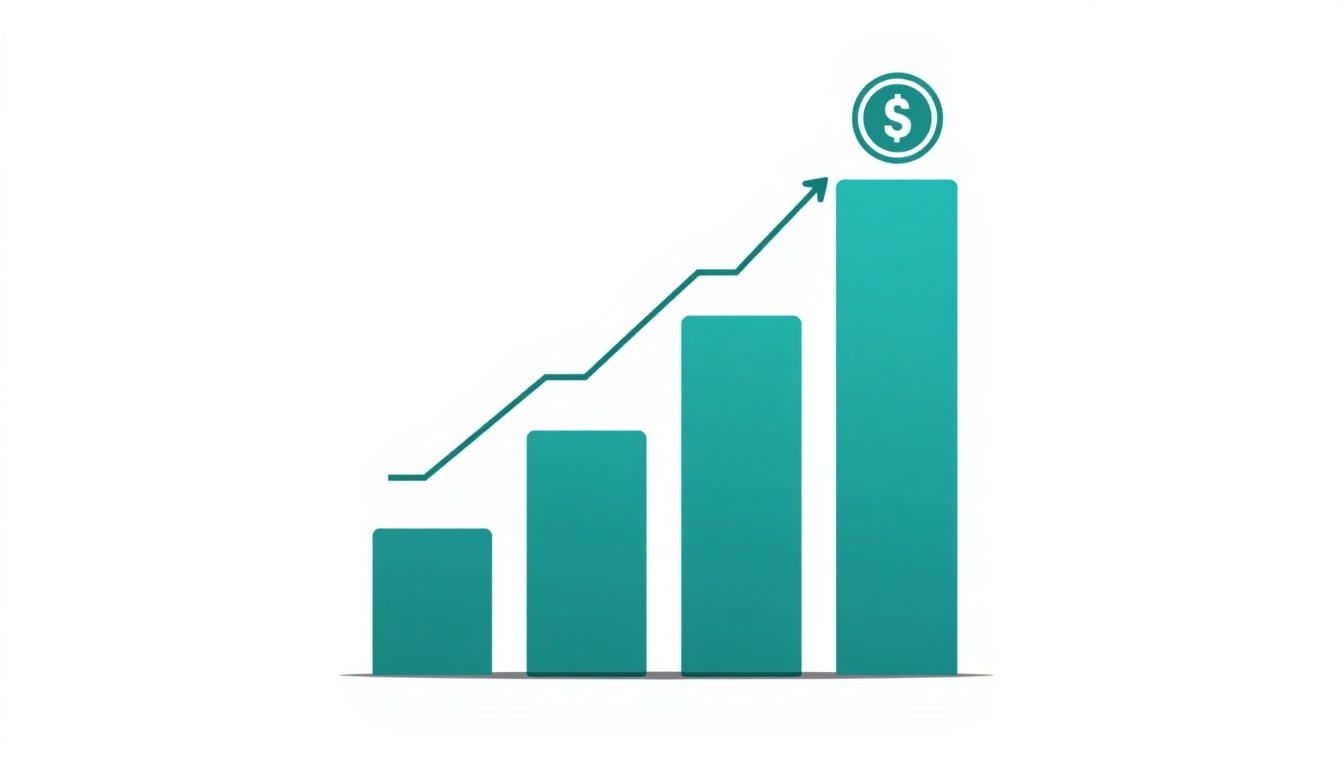
The offset has grown over the years. According to the ATO, it began in 2015–16 at 5% for businesses with turnover under $2 million. From 2016–17, the turnover limit rose to $5 million and the rate lifted to 8%, then to 13% in 2020–21 and to 16% from 2021–22 onwards. The $1,000 cap has stayed the same throughout.
Who Qualifies?
You may qualify if you meet both of these tests:
- You carry on a small business as a sole trader, or you are an individual with a share of net small business income from a partnership or trust.
- Your aggregated turnover is less than $5 million. Aggregated turnover broadly means your own turnover plus that of businesses you are connected or affiliated with.
The offset belongs to individuals. For partnership and trust income, you can only claim it on business income that the partnership or trust earned from its own business activities, and only where you are a partner or beneficiary of that entity.
Who Does Not Qualify?
- Companies, including Pty Ltd businesses, because they are taxed as separate entities.
- Anyone with aggregated turnover of $5 million or more. The test is “less than”, so exactly $5 million misses out.
- People who only receive passed-on distributions. The ATO gives the example of beneficiaries of family trusts that merely receive income from another business trust. That income is not their own net small business income.
- Employees with no business income. Wages are not small business income.
How Much Is the Offset?
The offset equals 16% of the tax attributable to your net small business income, up to a maximum of $1,000 per person per year. That cap applies across all your sources of small business income combined, so having several businesses does not multiply it.
If you are looking up the small business tax offset 2025 settings, the ATO’s published figures show the same 16% rate and $1,000 cap for the 2024–25 and 2025–26 income years, and tax commentary indicates they are unchanged for 2026–27. Some third-party sites quote a lower rate for these years, so always check the ATO’s own page.
The offset is non-refundable. If it is larger than the tax you owe, the unused portion is lost.
How Is It Calculated?
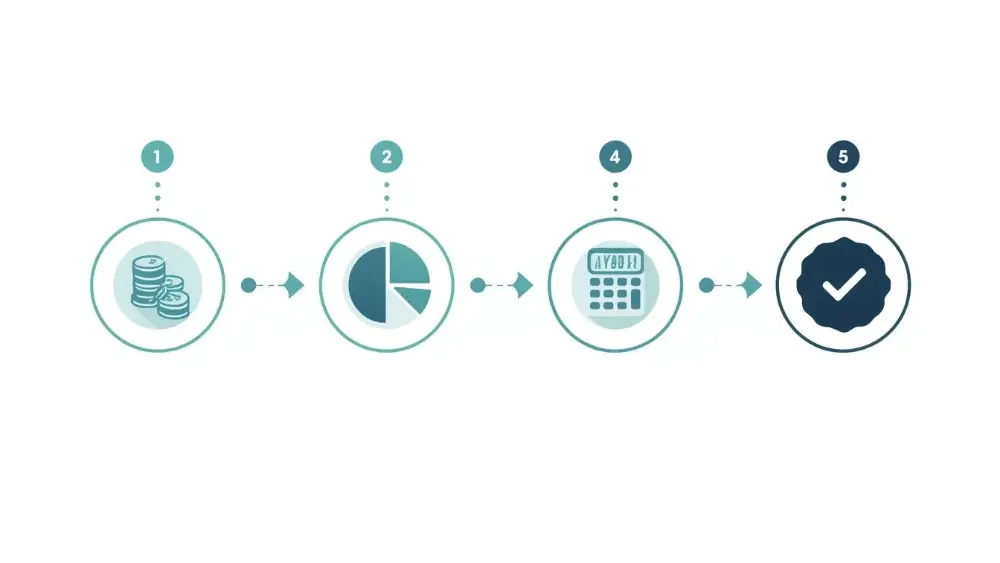
The ATO does the maths for you, but understanding the steps helps you check your assessment. In simple terms:
- Work out your net small business income, which is business income less the deductions that relate to it.
- Divide that by your taxable income to find the share that comes from the business.
- Multiply that share by your basic income tax liability, which is broadly the tax on your taxable income before offsets and the Medicare levy.
- Multiply the result by 16%, then apply the $1,000 cap.
If your net small business income is equal to or greater than your taxable income, the offset is simply 16% of your basic income tax liability.
Here are two hypothetical examples, using assumed figures for illustration only:
- Below the cap: Priya is a sole trader with taxable income of $50,000. Of this, $25,000 is net small business income, so half her income is from the business. Her assumed basic income tax liability is $5,000. Half of $5,000 is $2,500, and 16% of that is $400.
- Hitting the cap: Daniel earns $120,000, all from his sole trader business. His assumed basic income tax liability is $26,000. Sixteen per cent of that is $4,160, but the offset is capped at $1,000.
What Counts as Net Small Business Income?
Getting this figure right matters, because it drives the entire calculation. The ATO’s guidance generally allows you to include:
- Business income less related deductions
- Farm management deposits claimed as a deduction, and repayments included as income
- Net foreign business income from your sole trader business
You generally cannot include:
- Salary and wages
- Net capital gains
- Personal services income, unless you run a personal services business
- Government benefits, such as pensions and allowances
- Interest and dividends not related to your business
- Tax-related expenses, donations and personal super contributions as deductions
- Prior-year tax losses, apart from certain deferred non-commercial losses
Your net small business income cannot be a loss. If your business made a loss, the figure is zero.
Using the Small Business Income Tax Offset Calculator
Many owners search for a small business income tax offset calculator expecting a tool that shows the final dollar amount. The ATO’s calculator works one step earlier. It helps you work out the net small business income figure you enter on your return, and the ATO then calculates the offset itself. You can open the ATO calculator directly or reach it from within myTax. Have your business income, deductions and any losses ready before you start.
Do You Need to Apply?
No. You do not submit a separate application. When you lodge your tax return and enter your net small business income, the ATO works out your entitlement and applies the offset to your tax. If you use myTax, you select the small business income tax offset when personalising your return, as the ATO’s myTax instructions explain. Once your return is processed, check your notice of assessment to confirm the offset has been applied.
Ways to Get the Most From the Offset
The offset is useful but modest, so treat the small business offset as a welcome bonus rather than a strategy on its own. A few sensible habits help:
- Keep clean records. Separate business and personal accounts and keep invoices and receipts so your net small business income is accurate.
- Claim every legitimate deduction. Doing so reduces taxable income, which can change the proportion used in the calculation.
- Check each year’s rules. The ATO’s small business income tax offset page is the authoritative source.
- Talk to your accountant before changing structure. A tax offset for sole traders disappears if you incorporate, so do not restructure just to chase a $1,000 benefit.
- Do not spend money to chase it. Buying things you do not need to shift your income is rarely worth it for a capped benefit.
Common Mistakes to Avoid
- Assuming a company can claim it. Only individuals earning unincorporated business income qualify.
- Including salary or wages in net small business income.
- Overlooking multiple businesses. If you run more than one sole trader business, you combine them, and the single $1,000 cap applies.
- Misjudging turnover. Aggregated turnover can include connected businesses, so it may be higher than your own sales alone.
- Expecting a cash refund. The offset only reduces tax payable.
Other Concessions Worth Knowing
The $5 million turnover test for this offset is stricter than the $10 million test used for most small business concessions. Businesses under $10 million can generally claim an immediate deduction for eligible assets costing less than $20,000, as set out in the ATO’s small business concessions guide. If you are planning an equipment purchase, asset finance can spread the cost, and your accountant can confirm which deductions apply to you.
The Offset and Business Finance
A tax offset reduces what you owe, but it does not solve the cash flow squeeze that often arrives with a tax bill. Lenders usually review your tax returns and notices of assessment, so tidy, up-to-date lodgements make it easier to show your business is stable. If a tax bill, an equipment purchase or a slow season is stretching your budget, White alpaca can help you understand the funding options available.

Final Thoughts
The small business income tax offset will not transform your finances, but up to $1,000 off your tax is worth having. Check that you are a sole trader, partner or trust beneficiary with turnover under $5 million, keep your income and deduction records tidy and confirm the offset appears on your assessment. If you are weighing up your next move, you can explore small business loan options to see what might suit you.
This article is general information only and not tax, legal or financial advice. Speak with a registered tax agent, accountant or the ATO about your circumstances.
FAQs (People Also Ask)
1. Can I claim the offset if I also have a full-time job?
Yes. Your wages do not count as small business income, but you can still claim the offset on your sole trader earnings. The ATO applies it to the share of your tax that relates to your net small business income.
2. What if my business made a loss?
Your net small business income cannot be a loss. If your business lost money, the figure is treated as zero, so there is no offset for that income. Any related deductions remain part of your normal tax return.
3. Is it the same as the low income tax offset?
No. They are separate offsets with different rules. The low income tax offset depends on your taxable income, while this one depends on your small business income and turnover. You may be entitled to both.
4. What if I run more than one business?
If you operate several sole trader businesses, you combine their income and deductions. The offset is capped at $1,000 per person across all your sources of small business income, so more businesses do not mean a bigger cap.
5. What if my turnover is exactly $5 million?
You need aggregated turnover of less than $5 million. If it equals or exceeds that amount, you are not eligible for the offset for that income year, even though you might qualify for other small business concessions.
6. How do I know the offset was applied?
After the ATO processes your return, check your notice of assessment, where the offset appears as a separate item. If you think it is missing, talk to your tax agent or contact the ATO before the amendment period ends.
7. Will I lose the offset if I set up a company?
Yes, you would generally lose it for income earned through the company, because companies are not eligible. Speak with your accountant before restructuring, as the company tax rate and other concessions may change your overall position.