



An ABN (Australian Business Number) is a free, unique 11-digit number that identifies your business to the government, customers and suppliers. You can apply through the Australian Business Register (ABR) if you are carrying on a business or enterprise in Australia. You need one to register for GST, invoice clients cleanly and avoid tax being withheld from your payments. It does not replace your Tax File Number (TFN).
Key Takeaways
- An ABN is a free, unique 11-digit number that identifies your business to the government, customers and suppliers.
- You can apply if you are carrying on an enterprise in Australia. Freelancers, contractors, sole traders, partnerships, companies and trusts all qualify.
- Without an ABN, payers may have to withhold tax from your payments at the top rate, currently 47%.
- You need an ABN to register for GST, which becomes compulsory once your GST turnover reaches $75,000.
- An ABN is not the same as a TFN, ACN or business name. The TFN is private, the ACN is for companies only and a business name is registered separately with ASIC.
- Applying is free through the Australian Business Register and often takes well under half an hour. Avoid third-party sites that charge a fee.
- Changing from sole trader to company usually means applying for a new ABN, and you should cancel the old one once your lodgements and payments are finalised.
- Lenders check your ABN to see how long you have been trading, so a clean, active ABN helps with business finance.
Starting a side hustle, picking up contract work or opening a shopfront tends to trigger the same early question: do I actually need an ABN? If you have ever typed what is abn into a search bar and landed in a maze of government jargon, you are in good company. The short answer is that an Australian Business Number is a free, 11-digit ID for your business. The longer answer, which this guide unpacks, covers who needs one, what happens if you skip it, how to apply and why it matters for tax, invoicing and business finance.
What Is an ABN?

An Australian Business Number is a unique 11-digit number that identifies your business to the government, other businesses and the public. It is issued through the Australian Business Register (ABR), which is administered by the Australian Taxation Office. It sits alongside your Tax File Number (TFN) rather than replacing it.
If you are wondering whats an abn in everyday terms, picture a business ID card. Whenever you send an invoice, open a trade account or register for a tax obligation, the other party can use your ABN to confirm that you are a genuine, registered business.
Because the abn australia system is public, anyone can search a number on ABN Lookup and see the registered entity name, ABN status and GST registration. That transparency is why keeping your details accurate matters.
Some people also search for it as abn australie, particularly overseas visitors and international partners dealing with Australian suppliers. Whatever the spelling, the answer is the same: it is the number that ties your enterprise to the Australian tax and business system.
Why Does an ABN Matter?
Holding an abn in australia does more than tick an admin box. It affects how you get paid, how you handle tax and how other businesses see you. The main benefits include:
- Getting paid cleanly: When you quote your ABN, clients can pay you in full. Without one, payers are generally required to withhold tax from the payment at the top rate, which is currently 47%.
- GST registration: You need an ABN to register for GST and claim GST credits on business purchases.
- Credibility: Suppliers, wholesalers and trade accounts routinely ask for your ABN before they deal with you.
- Online presence: An ABN is required to register a .au business domain name.
- Business finance: Lenders use your ABN to check how long you have been trading and what type of entity you are.
None of these benefits cost a cent to unlock, because the registration itself is free.
Who Needs an ABN?
You can apply for an ABN if you are carrying on an enterprise in Australia, making supplies connected with Australia or registered under the Corporations Act. You can check your entitlement on the ABR website before you apply. In practice, you will usually need one if you:
- Run a business as a sole trader, partnership, company or trust
- Invoice clients as a contractor or freelancer
- Reach a GST turnover of $75,000 or more and must register for GST
- Need to register for other obligations, such as PAYG withholding
Strictly speaking, a sole trader is not legally forced to hold an ABN just for existing. But without one, you will run into withholding and invoicing headaches very quickly, so almost every genuine sole trader gets one.
For freelancers wondering whats a abn actually going to change, the answer is usually plenty. Clients cannot pay you smoothly without it, and you cannot register for GST either.
You probably do not need an ABN if you:
- Earn income from a hobby that is not run like a business
- Work as an employee on a regular wage
- Sell a few unwanted personal items once or twice
The Side Hustle Grey Area

The tricky part is the space between a hobby and a business. The ATO looks at factors such as whether you intend to make a profit, whether the activity is repeated and regular, whether you operate in a business-like manner and the size and scale of what you do. Its Are you in business? page walks through these tests.
Here is a hypothetical example. Imagine Jess, a teacher in Adelaide who makes ceramic mugs. A single garage sale of old crockery does not make her a business. But once she sets up an online shop, takes a stall at monthly markets and reinvests profits into a bigger kiln, she is acting like a business and should probably have an ABN. This is an illustration only, and your own situation may differ.
ABN vs TFN vs ACN vs Business Name
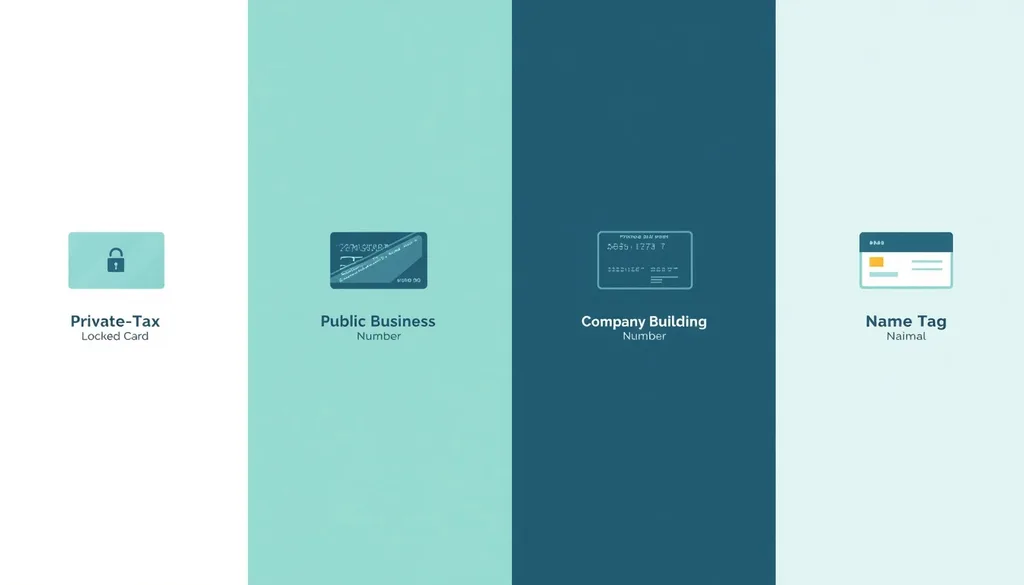
These four labels get mixed up constantly. When people ask what is an abn number compared with the others, this is the clean breakdown:
- TFN (Tax File Number): A private number used for your tax return. You should never display it publicly.
- ABN (Australian Business Number): A public 11-digit number used for business dealings, invoices and GST.
- ACN (Australian Company Number): A 9-digit number issued by ASIC to registered companies only. Sole traders and partnerships do not have one.
- Business name: A trading name registered with ASIC. Getting an ABN does not register a business name for you.
A sole trader typically has a personal TFN and an ABN. A company has an ABN, an ACN and its own TFN. Knowing which is which keeps your paperwork tidy and your invoices compliant.
How to Apply for an ABN
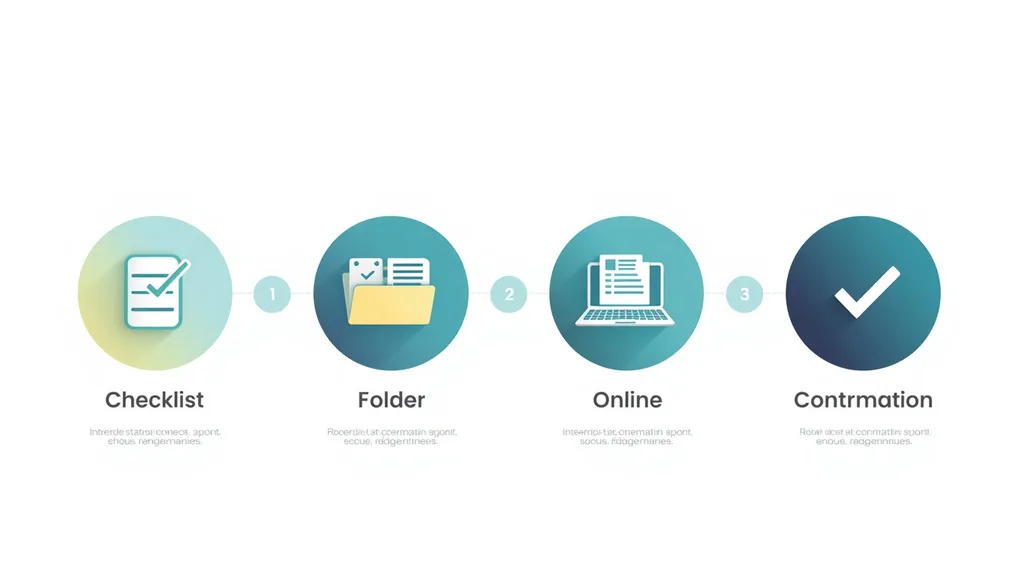
Applying is free through the Australian Business Register. You can read the official steps on business.gov.au. The process looks like this:
- Check your entitlement using the questions on the ABR website.
- Gather your details, including your TFN, business structure, a description of your main activities, contact details and your expected start date. Companies also need their ACN. Partners, directors and trustees may need to provide their details too.
- Apply online through the ABR. Most people finish in well under half an hour.
- Receive your result. In many cases, you will get your ABN straight away. If the ABR needs to review your application, you will receive a reference number and a response later.
Many people also ask what is abn no and where to find it. It is simply the 11-digit number on your ABR confirmation, and you can look it up any time using ABN Lookup.
One warning: because the registration is free, be cautious of third-party websites that charge a fee to apply on your behalf. You can complete the process yourself, or ask a registered tax or BAS agent if your structure is complex.
Keeping Your ABN Up to Date
Your abn number australia wide stays attached to your entity, so it is worth keeping the register accurate. Update your details when your address, contact information or business activities change. Outdated details can cause confusion with clients and may prompt questions from the ATO.
Changing your structure is the big one. If you move from sole trader to company, for example, you generally need to apply for a new ABN, because a sole trader ABN cannot simply transfer to the new entity.
You should also cancel your ABN if you:
- Close your business
- Sell your business
- Change your business structure
- Stop operating in or making supplies connected with Australia
Before you cancel, finalise your lodgements and payments, because cancelling also removes related registrations such as GST.
Common ABN Mistakes to Avoid
Most ABN problems are avoidable with a little care:
- Invoicing under the wrong ABN: After incorporating, some owners keep invoicing under their old sole trader ABN, so income lands against the wrong entity.
- Assuming the ABN covers your trading name: It does not. Register the name with ASIC separately.
- Skipping supplier checks: Before paying a new supplier, check any abn number aus businesses give you on ABN Lookup to confirm the entity name and that the ABN is active.
- Missing the GST threshold: Track your turnover so you register on time once you reach $75,000.
- Paying for a free service: Registration costs nothing through the official channel.
ABN and Business Finance

Your ABN is often the first thing a lender checks. They want to know how long it has been active, what type of entity you are and whether you are registered for GST. A very new ABN can limit your options with traditional banks, because many want a longer trading history.
That is where alternative lending comes in. Some lenders accept less paperwork and look at bank statements and BAS instead of full financials, and many prefer an ABN that has been active for roughly six to twelve months. If you would like to see how your ABN history could support a loan, White Alpaca Finance can walk you through the options.
Keep your records tidy, lodge your BAS on time and keep business and personal transactions separate. Good habits from day one make any future application far easier.
Final Thoughts
So, what is abn in australia at the end of the day? It is your business’s public identity number: free to get, simple to use and valuable from the moment you send your first invoice. If you are running an enterprise, freelancing seriously or planning to register for GST, it is almost certainly worth having.
Apply through the official channel, keep your details current and cancel only when the time is right. If you are thinking about funding your next move, you can explore your business finance options and take the next step with confidence.
This article is general information only and not tax, legal or financial advice. Check your circumstances with the ATO, a registered tax agent or a licensed professional.
FAQs (People Also Ask)
1. Is an ABN free in Australia?
Yes. Registering for an ABN through the Australian Business Register costs nothing. Be cautious of third-party websites that charge a fee, because you can complete the application yourself using the official site.
2. Do I need an ABN as a sole trader or freelancer?
If you are carrying on a genuine business, you should have one. A sole trader is not strictly forced to hold an ABN, but without it clients may have to withhold tax from your payments, and you cannot register for GST.
3. How long does it take to get an ABN?
Many applications are completed online in well under half an hour, and the ABN is often issued straight away. If the ABR needs to review your details, you will receive a reference number and may have to wait for a response.
4. What happens if I do not have an ABN?
Payers are generally required to withhold tax from payments to you at the top rate, currently 47%. You also cannot register for GST or claim GST credits, and some suppliers and lenders may be unwilling to deal with you.
5. Can I have more than one ABN?
Generally, you hold one ABN per entity. A sole trader running several activities usually keeps one ABN. If you also operate through a separate structure, such as a company, that entity needs its own ABN.
6. Is an ABN the same as a TFN?
No. A TFN is a private number for your tax returns. An ABN is a public number that identifies your business. Sole traders typically use both, while companies also have an ACN.
7. When should I cancel my ABN?
Cancel it if you close or sell your business, change your business structure or stop operating in Australia. Finalise your lodgements and payments first, because cancelling also removes related registrations such as GST.