

Whoa! I clicked a Solana transaction the other night and my jaw dropped. The view pulled back like a map, showing token transfers and program calls in a tidy timeline. Initially I thought all explorers were the same, but then I started reading program logs and inner instructions, and things got interesting—way more than I expected. My instinct said this matters for both everyday users and folks hunting exploits.
Seriously? The basic use case is simple: paste a signature, hit enter, learn what happened. Most explorers give you the signature, the fee, and a timestamp. But a powerful explorer breaks those events apart, labels each SPL token transfer, and links to the program source or account, which saves you a ton of guesswork. On one hand you get clarity; on the other, you realize how many subtle state changes happen inside a single transaction.
Hmm… here’s the thing. I prefer an explorer that shows inner instructions inline. It helps me trace swaps through AMMs or see rent-exempt account creations without digging through raw RPC dumps. I’m biased toward tools that reduce friction, even if that sometimes means showing more raw data than a casual user wants. Oh, and by the way, sometimes the logs are noisy, so filters matter a lot.
Okay, so check this out—transactions on Solana can be surprisingly compact. You can pack multiple instructions in one signature. That means a single click can reveal swaps, approvals, mints, burns, and cross-program CPI calls. If something fails, the logs often include a stack trace-like message which points to the failing instruction, though actually, wait—those errors can be cryptic. My first read didn’t help much, but after comparing a few failed transactions I started seeing patterns.
How to read a transaction like a pro with solscan
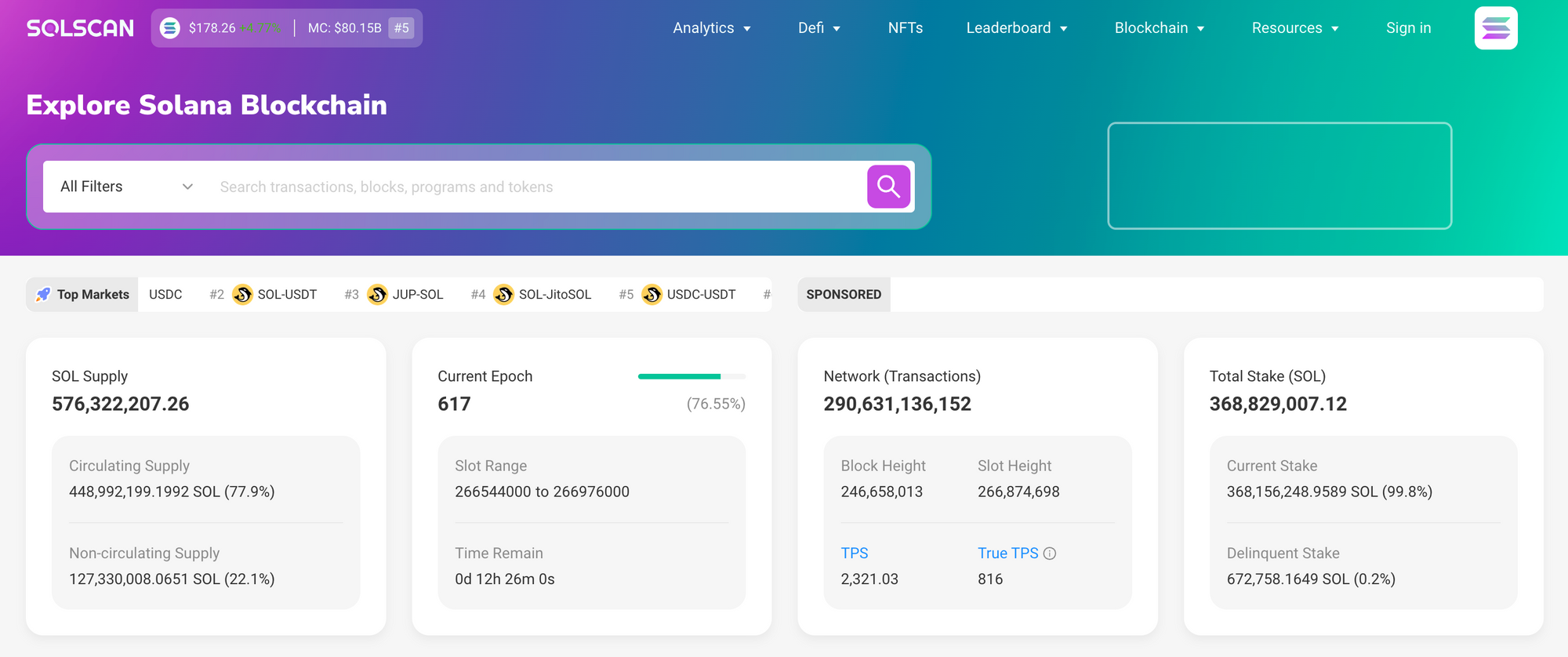
Wow! Open a signature view and look for four things: the signature itself, status (confirmed/finalized), the instruction list, and the program logs. Then examine inner instructions for CPI calls. If you want an easy entry point, solscan surfaces those details and links accounts and tokens for quick context. At first glance it feels overwhelming, but step-by-step you can reconstruct the user’s intent and spot anomalies.
Here’s a practical flow I use. Start by checking the signature status to know whether the transaction is finalized. Next scan the fee and compute units to gauge cost and complexity. Then expand each instruction and note which programs are invoked. Finally, read the logs from top to bottom to catch error messages or subtle state writes. This workflow is simple, but it works—especially when you’re hunting for failed swaps or suspicious account activity.
Something felt off about some NFT transfers I inspected; gas wasn’t the issue, but a weird sequence of CPIs was. I dug into inner instructions and found an extra approval step that wasn’t obvious at first. That little approval changed ownership flow in an edge case, and honestly it bugged me that a casual observer would miss it. So: always check inner instructions if you care about custody or permissions.
On one hand, explorers are user tools; they should be friendly. Though actually, they also need to be forensic instruments for ops teams and auditors. So the best explorers balance a clean UI with deep access to raw logs and account state. I like explorers that let me toggle between a summarized view and the raw JSON returned by the RPC—very very useful when debugging complex transactions.
My quick checklist when reviewing any Solana transaction: who signed it, which accounts changed, which SPL tokens moved, what programs were invoked, and whether any custom logs indicate contract-level assertions. If I see a program I don’t recognize, I open the program account and check the owner and recent activity. That usually tells me whether the program is a standard AMM, a bridge, or something bespoke and unvetted.
Initially I thought signature searches were enough. But then I realized the ecosystem has grown messy. There are wrapped tokens, transient PDAs, and helpers that obfuscate intent. You might think a token swap was simple, but actually the user routed through multiple liquidity pools to get better price execution, and that shows up only when you trace inner instructions across CPIs. My first impressions fooled me a couple times, so be skeptical.
Also: memos. Don’t ignore them. A tiny memo field can include order IDs, refund references, or off-chain routing hints that explain why a transaction happened. Some memos are useless marketing noise, sure, but others are the breadcrumbs you need. I half believe memos are underused by analysts, which is a shame.
There are privacy and security angles too. If an address interacts repeatedly with a mixer-like program or shows repeated approval patterns, that could be a sign of automated drainage or laundering attempts. Watching patterns across multiple transactions is where a good explorer shines, because it aggregates and cross-links accounts. And if you’re tracking MEV or front-running bots, you need the timestamp precision and leader schedule context to understand who had priority.
I’m not 100% sure about every new feature out there, but I’ve tested explorers on devnet and mainnet-beta, and the differences matter. Some tools cache token metadata poorly, others mislabel programs, and a few render broken charts. Check multiple views if the outcome matters—though honestly one reliable explorer often saves the day.
Common questions
How do I verify a transaction was finalized?
Look for the confirmation status and slot number; finalized means it’s durably written to the ledger across forks. Compare the slot to the current head to confirm recency, and if you need extra assurance, check for multiple block confirmations in the explorer UI.
Can I see which SPL tokens moved in a transaction?
Yes. Expand the instruction list to view Token Program transfers and inner instructions. A good explorer will display token mint addresses, readable token symbols, and the before/after balances for the involved accounts.